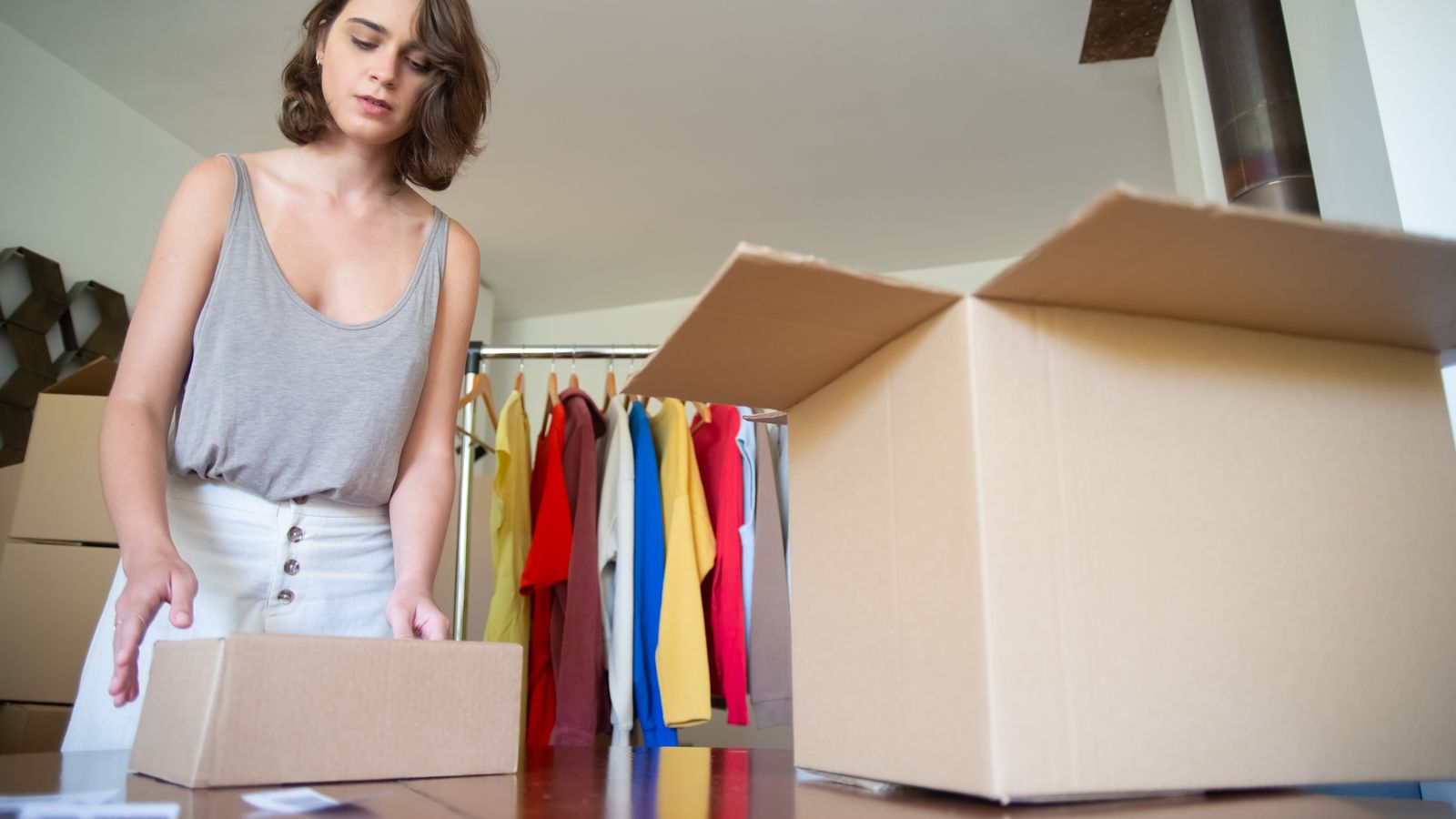
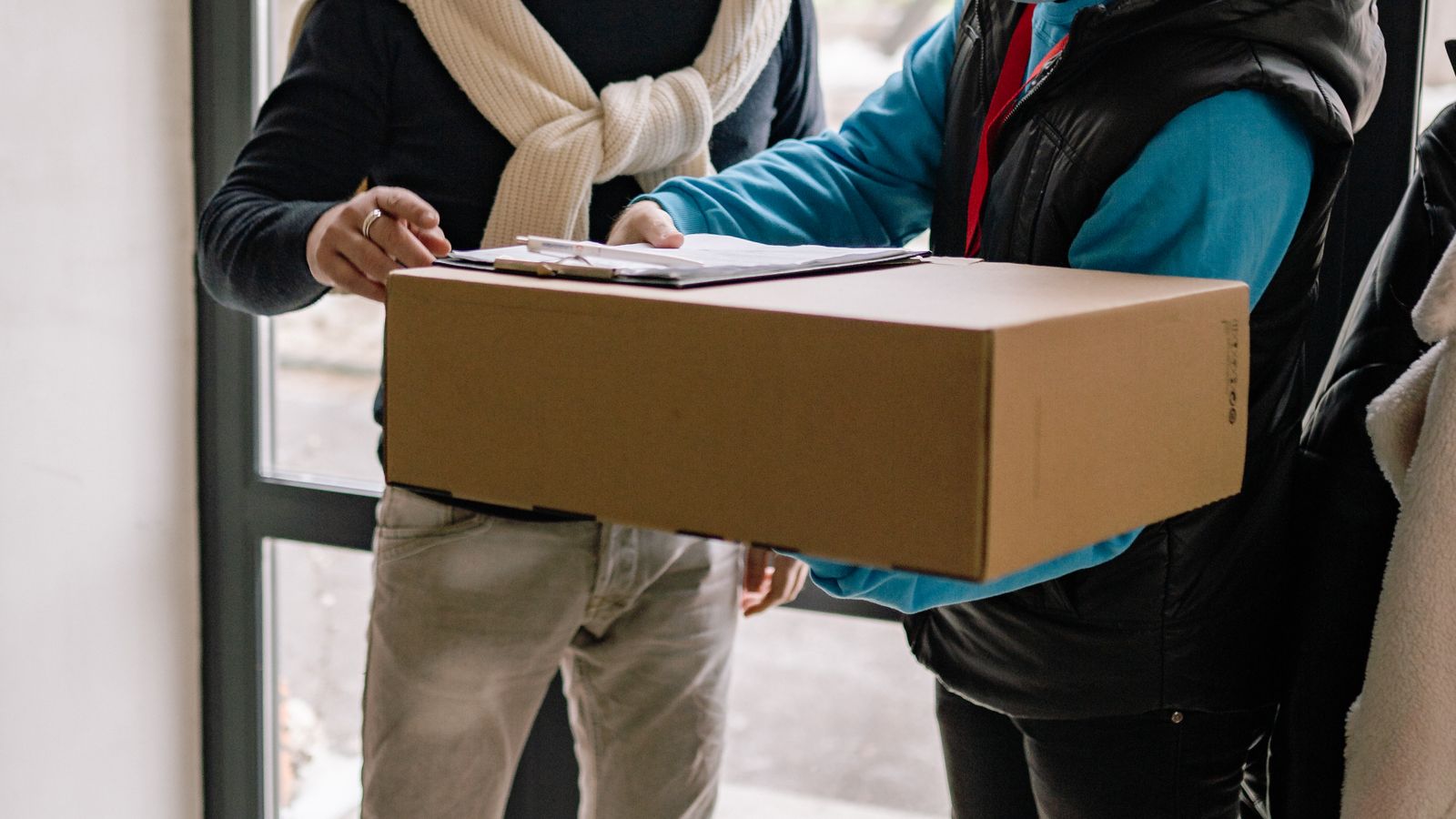
A fake or refused Cash on Delivery order costs more than it looks: you pay to send the parcel, you pay to get it back, and the product is stuck for a week. Here is how to cut those losses.
1. Check the customer's delivery history
Your store's Order Guard can check a phone number's delivery history across supported couriers. You see how many past parcels were delivered and how many were returned.
- A number with many returns is a warning sign — call before you ship.
- You can block orders automatically when the success rate is below a level you choose.
- New numbers with no history are allowed, so real first-time buyers are never stopped.
2. Slow down repeat orders
Fake orders often arrive in bursts. Set an order cooldown so the same phone number or the same IP address can't place another order within a few minutes.
3. Use block lists
Block a phone number, IP address or browser that keeps sending fake orders. Blocked attempts are listed, so you can see if someone keeps trying.
4. Confirm before you ship
A 30-second call or SMS saves a 120-taka return. Confirm:
- the full address and nearest landmark,
- the size or colour,
- the total amount to pay.
5. Ask for a small advance
For expensive items or outside-Dhaka orders, ask for the delivery charge in advance through bKash. Genuine buyers rarely mind; fake buyers disappear.
6. Be clear on your product page
Write the delivery time, the return rules and the exact price including delivery. Most refusals happen because the shopper expected something different.
Your goal is not zero COD — it is COD from real buyers. Protect your margin without scaring away first-time customers.